
If you want to know how to reduce your electric bill significantly, the honest answer isn’t one big trick — it’s finding the handful of things in your house quietly costing you the most, and fixing those first. Most people picture solar panels or a whole-house energy overhaul when they think about cutting power costs. The bigger wins are usually smaller and closer to home: the water heater running full blast around the clock, an air conditioner fighting a house that leaks air like a sieve, an appliance nobody’s unplugged because unplugging it never occurred to anyone. Fix the right few things, and the bill drops in a way you’ll actually notice on the next statement.
Start With an Energy Audit, Not a Guess
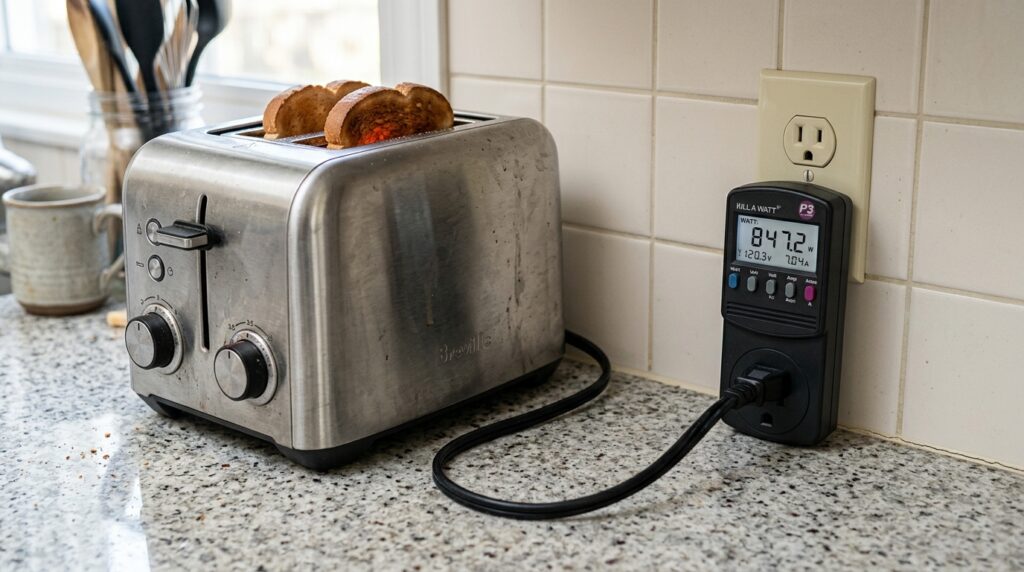
Whatever led you here, figuring out how to reduce your electric bill significantly starts with the same first step: find out where the money is actually going before you change anything. Most utility companies offer a free home energy audit, where a technician walks through with a thermal camera and flags exactly where warm or cool air is escaping. If that’s not available where you live, a cheap plug-in wattage meter, usually fifteen to twenty dollars, tells you what your refrigerator, window AC unit, or space heater is really pulling.
The guesses people make are usually wrong. Nobody assumes the fridge is the problem, but an older one running non-stop is one of the single biggest draws in an average home. Nobody blames the water heater either, since it just sits in a closet doing nothing dramatic. The result is that people unplug the TV and skip the things actually running up the bill. A short audit fixes that, and it takes an evening, not a weekend.
Heating and Cooling Are Usually the Biggest Line Item
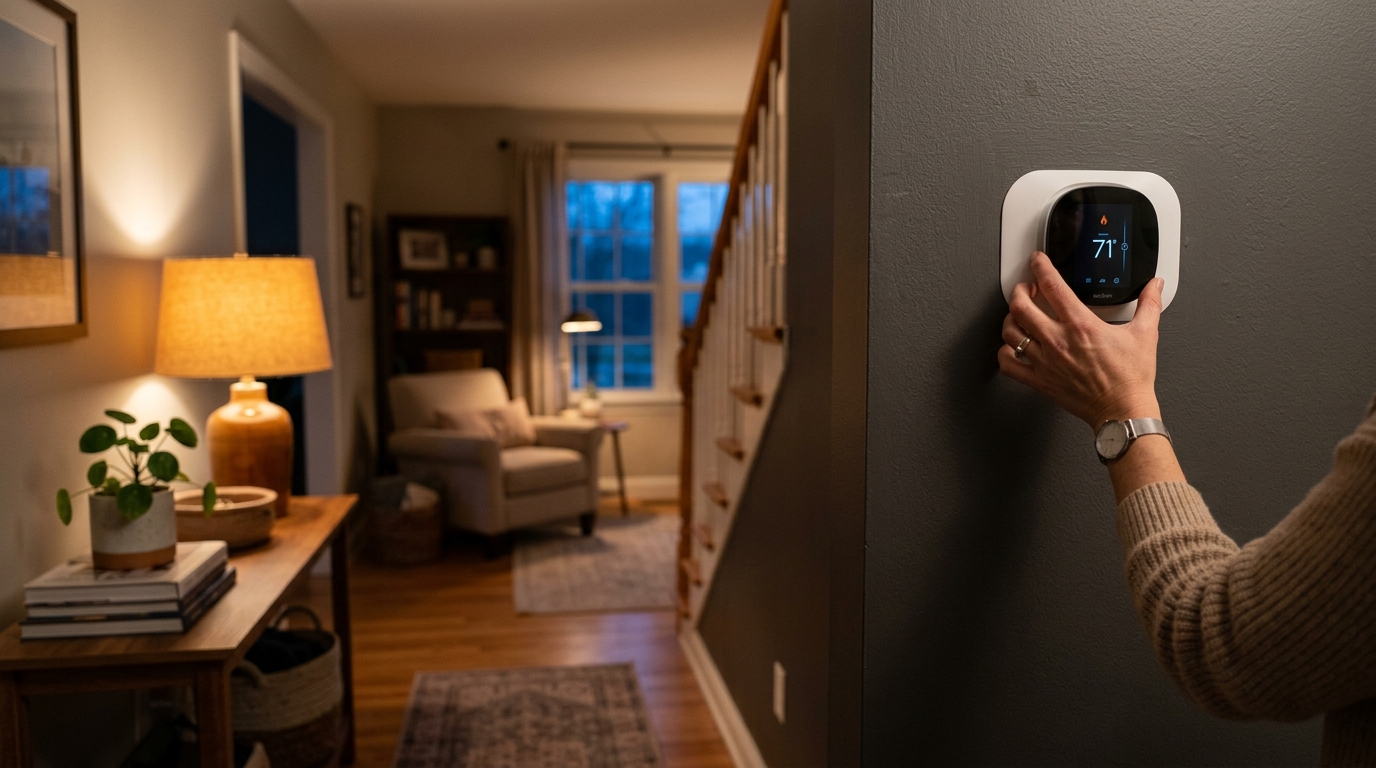
For most households, heating and cooling make up close to half the electric bill, which means small adjustments here move the needle more than anything else on this list. Every degree you nudge the thermostat toward the outside temperature trims a noticeable slice off that portion of the bill. A few degrees warmer in summer, a few degrees cooler in winter, and most people stop noticing the difference within a few days.
The cheaper fix sits around the edges of the house. Weatherstripping or caulk around doors and windows costs almost nothing and stops the air you’re already paying to heat or cool from leaking straight back outside. Swap the HVAC filter monthly during heavy-use months — a clogged filter forces the whole system to work harder for the same result. None of this is glamorous. All of it shows up on the bill.
The Water Heater Is Doing More Work Than It Needs To
Most water heaters ship set around 140 degrees, which is hotter than almost anyone needs and hotter than is safe for young kids or older adults in the house. Turning it down to 120 degrees cuts the energy it burns keeping that tank hot around the clock, and nobody notices the difference in the shower. Wrapping the tank and the first few feet of exposed pipe in insulation costs under thirty dollars and keeps that heat where you paid for it.
The bigger lever is usage, not temperature. Washing clothes in cold water instead of hot skips almost all the energy a load of laundry uses, since heating the water is most of the cost, not running the machine. Shorter showers help too, though nobody wants to hear that one.
The Small Stuff That Actually Adds Up
Every household has one of these somewhere: the extra chest freezer humming away in the garage, plugged in since who knows when, holding half a bag of ice and some freezer-burned vegetables nobody’s touched in a year. A single old appliance like that can cost more to run each month than replacing it would pay off in two seasons.
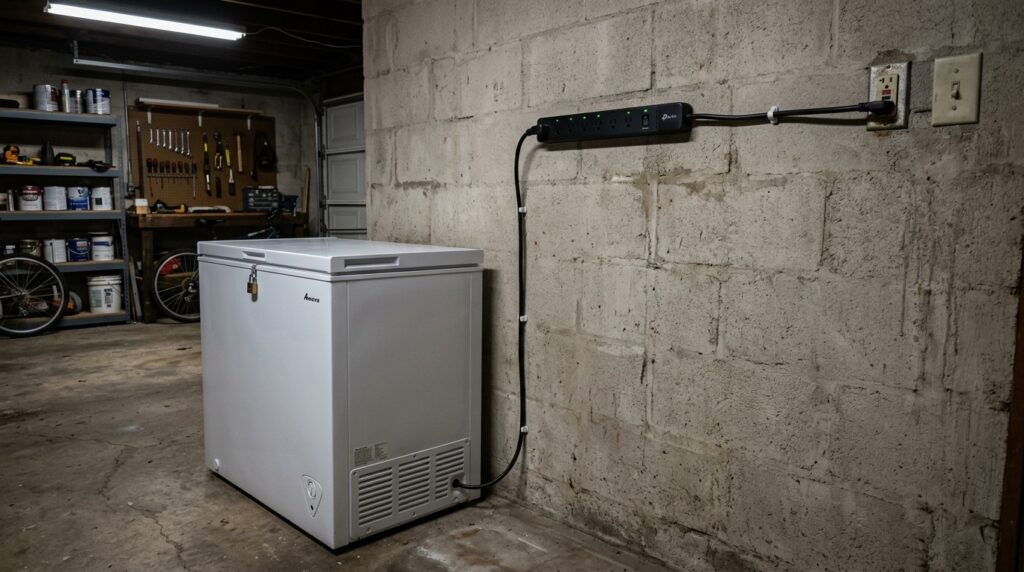
Beyond the obvious offenders, a lot of small draws add up quietly in the background. Chargers, game consoles, and cable boxes pull power even sitting idle, a habit called phantom or standby load. A smart power strip that cuts power to a whole group of devices at once, rather than one plug at a time, turns this from something you have to remember into something that just happens.
The instinct behind fixing that is the same one behind cutting your dependence on the grid altogether. If you’ve already started down that road with the post on how to collect rainwater at home, that mindset — use less, waste less — applies just as well to the breaker box as it does to the gutters.
Upgrades Worth the Money, and Ones That Aren’t
LED bulbs are worth replacing everywhere, full stop. They cost more upfront than incandescents, use a fraction of the electricity, and last years longer, so the payback period is usually measured in months. ENERGY STAR appliances are the opposite case: they make sense when something needs replacing anyway, not as an early swap just to save on electricity. A working fridge that’s five years old will outlast the years it would take an efficient replacement to pay for itself.
Smart thermostats sit in between. They’re genuinely useful if you’ll actually set up the schedules and let them adjust the house while you’re at work or asleep. If you’re going to leave it on one setting forever, you’ve just bought a more expensive dial.
Look at the Bill Itself, Not Just Your Usage
None of this requires guesswork forever — once you know how to reduce your electric bill significantly on the usage side, checking the bill itself just becomes another habit. Ask your provider whether a fixed-rate plan makes sense compared to a variable one, especially if rates in your area have been climbing. Some utilities also offer time-of-use plans that charge less overnight or on weekends, which pays off if your schedule allows shifting laundry or dishwasher runs to those windows.
It’s also smart to ask directly about budget billing, hardship programs, or, in some areas, community solar or net metering options. Utilities don’t always advertise these clearly, and a five-minute phone call sometimes finds savings that no amount of thermostat adjusting will.
Where This Leads
There’s no single trick behind how to reduce your electric bill significantly — it’s the thermostat, the water heater, the freezer in the garage, and the rate plan, all pulling in the same direction. Fix two or three this week and the next bill notices before you do. Keep going, and it starts building toward something bigger: the kind of energy independence that makes outages, rate hikes, and grid problems a lot less of a household emergency.
What’s the fastest way to reduce your electric bill?
Start with heating and cooling, since it’s typically the single biggest chunk of a home’s usage. Adjusting your thermostat a few degrees and sealing obvious air leaks around doors and windows usually shows up on the very next bill.
Does unplugging devices really save money?
Yes, though usually not dramatically on its own. Standby power from chargers, game consoles, and cable boxes adds up over a month, and a smart power strip that cuts power to idle devices automatically makes it effortless rather than something you have to remember.
Is it worth replacing appliances just to save on electricity?
Only if the appliance is already old or failing. Energy-efficient models pay for themselves over years, not months, so replacing something that still works well rarely makes financial sense — but when an old fridge or water heater needs replacing anyway, choosing an efficient one is close to free savings.