The good news about how to feel safer living alone is that it comes down to fewer surprises, not more locks. Most of what keeps solo residents up at night isn’t a specific threat, it’s just that nobody else is around to double-check whether something’s actually wrong. A routine fixes that better than any pep talk does.
Why Solo Nights Feel Louder Than They Are
A house settling at 11 p.m. sounds different when you’re the one who has to go check it out alone. There’s no one else in the next room to glance at and ask “did you hear that too?” A pipe knock just sounds louder when you’re the only one who hears it. Learning how to feel safer living alone starts with cutting down on those unknowns, not toughing them out. The fix isn’t forcing yourself to stop noticing sounds. It’s leaving less for your imagination to guess at in the first place.
Lock Down the Entry Points First
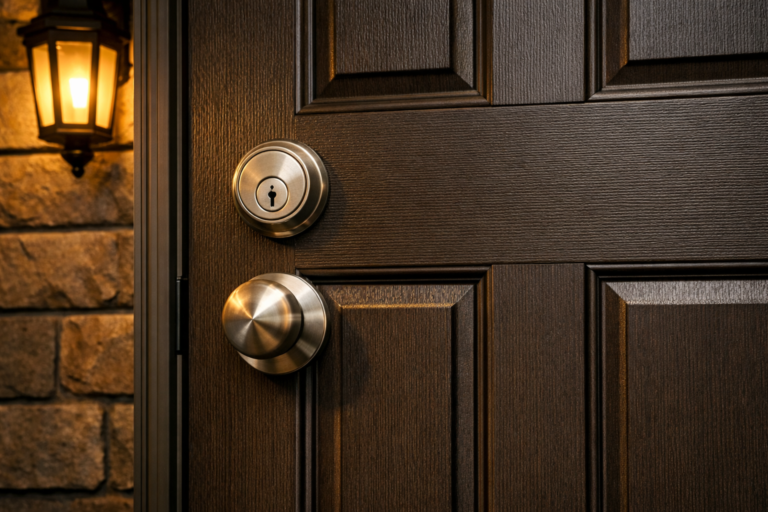
Before anything else, the doors and windows need to actually hold. A cheap strike plate with one-inch screws will give way to a solid kick; a reinforced plate with three-inch screws driven into the frame usually won’t. Sliding doors need a rod or pin in the track, not just the factory latch. Windows deserve the same attention: a basic pin lock or even a cut dowel rod in the track stops a window from being forced open, and it costs less than a takeout dinner. If you haven’t gone through your home’s entry points room by room, the guide on making your home more secure covers the full walkthrough — window locks, door hardware, and the cheap fixes that do the most.
Let the House Sound Occupied
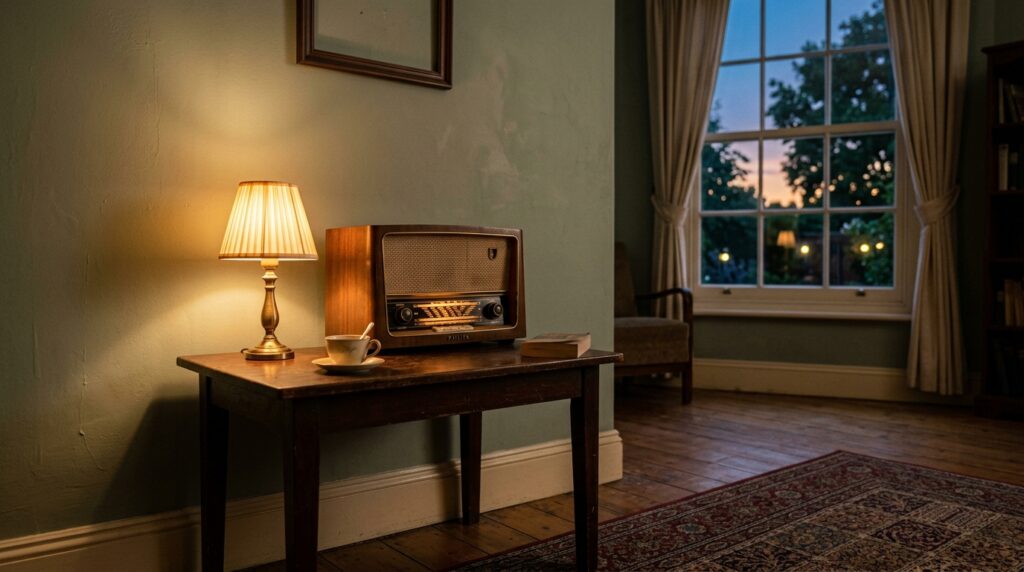
An empty-feeling house invites more attention than a lived-in one, whether or not anyone’s watching closely. Lights on a timer, a radio left on low in another room, blinds that open and close like normal — these signal a house that’s being used, not a house waiting for someone. Ask anyone who’s lived alone through their first winter how many nights they left the kitchen radio on just to fill the quiet. It works, and there’s no reason to feel silly about needing it.
Build a Two-Minute Nightly Routine
Doors locked, windows checked, phone on the charger, a light left on somewhere visible from outside. Do the same short sequence every night and it stops being a worry ritual — repeat it enough and it just becomes automatic, one less thing your mind has to manage before sleep. The goal is a routine so automatic you’d notice if you skipped it, not a checklist you have to talk yourself through.
Write the sequence down once, tape it inside a cabinet door, and follow it for a couple of weeks. By the third week, most people don’t need the note. The routine settles into muscle memory, which means it still runs even on the nights you’re exhausted and would otherwise skip a step.
Know a Couple of Neighbors by Name
You don’t need a group chat or a block party. Knowing the name of the person next door, and having a number to text if something looks wrong, does more for your sense of security than most gadgets on the market. It also works both ways — a neighbor who knows you live alone is a neighbor who’ll notice if your car hasn’t moved in three days or your lights are off when they’re usually on. Introducing yourself doesn’t have to be a whole event. Bringing back a stray package left on the wrong porch or saying hello during yard work is enough to start the kind of low-key familiarity that pays off later.
Keep a Plan Near the Bed, Not Just an Object
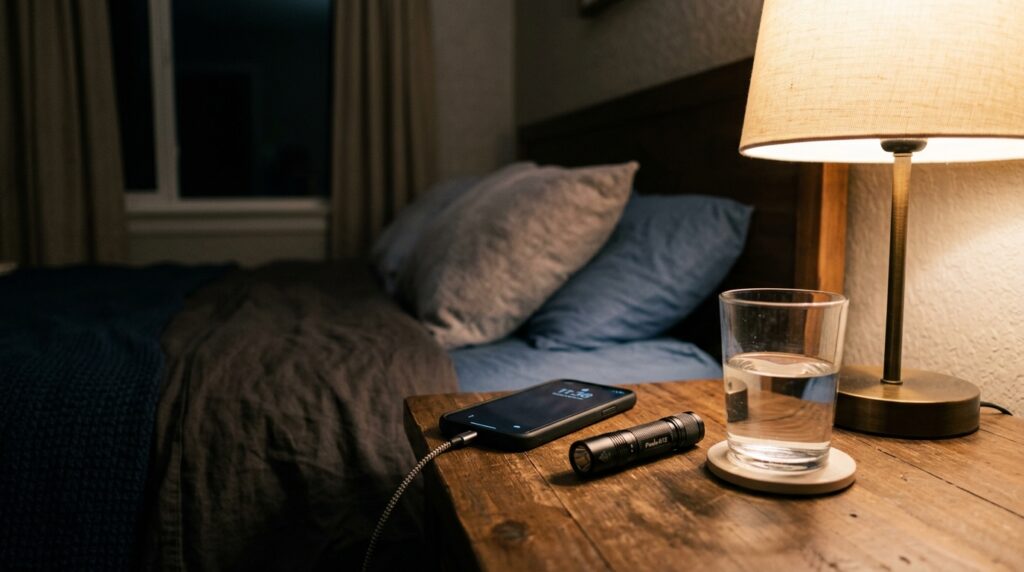
A charged phone, a working flashlight, and a short mental script for what you’d actually do — call, leave, wait — cover more ground than any single item marketed for personal safety. The plan is the part people skip. Deciding in advance what a 2 a.m. noise means you’ll do removes the worst part of a scary moment: figuring it out from scratch while your heart’s already racing. It helps to write the plan down once: the number for a trusted neighbor, a family member who’s a reasonable call at 2 a.m., and the non-emergency line for local police, saved somewhere you won’t have to search for it half-asleep. A sticky note works as well as an app. The point isn’t the format. It’s having something to reach for instead of guessing in the dark.
Trust the Small Alarm Bells
If a delivery driver hangs around your door well past the time it takes to drop a package, or the same car’s been sitting outside for longer than feels normal, you don’t need a justification to act on it — locking a door, calling someone, or stepping into a lit room is a reasonable response to almost any level of unease. Living alone means there’s no one to talk yourself out of caution with. Use that as a reason to listen to your gut sooner, not later. A video doorbell or an inexpensive peephole camera turns that instinct into something concrete: instead of guessing who’s outside, you get a two-second look before deciding whether to open the door at all. It doesn’t need to be elaborate. Even a basic camera that sends a phone alert when someone steps onto the porch means you’re not answering the door on guesswork. Knowing who’s there beforehand makes the whole thing a lot less nerve-wracking.
Watch What You Share Online
A public post about a two-week trip, geotagged from the airport, tells more people than you’d want that the house is sitting empty. The habit worth building isn’t secrecy for its own sake, it’s timing. Save the vacation photos for after you’re back, not while you’re still gone. Delivery apps create a smaller version of the same problem: a photo of the package left on your porch, captioned with an address or a note about being away, is a signal handed to anyone scrolling past it. Old real estate listing photos are another blind spot people don’t think about, since a former listing can still show which room has which window, long after you’ve moved in and changed the locks. None of this calls for locking down every account or living paranoid online. It just means holding onto “nobody’s home right now” as information for a few days instead of posting it in real time.
Figuring out how to feel safer living alone isn’t about eliminating every risk — that’s not realistic for anyone, alone or not. It’s about fixing the small things that make a house feel exposed, one habit at a time: a solid lock, a light on a timer, a neighbor who’d notice. Do that consistently and the nights stop feeling like something to get through. They start feeling like your own house again.
Is it normal to feel anxious living alone for the first time?
Yes — it’s one of the most common adjustments people report after moving out on their own, and it typically fades within a few weeks as your brain learns which sounds are just the house. If the anxiety isn’t easing after a month or two, it’s worth mentioning to a doctor, since ongoing poor sleep can affect more than just how safe you feel.
What should I do if I hear a noise at night when I’m home alone?
Turn on a light, stay in a room with a working lock, and check your phone is nearby before doing anything else. Most nighttime noises have a mundane explanation, but there’s no downside to confirming your doors are locked and having a phone in hand while you listen.
How can I make my home look occupied when I’m away?
Put a couple of lights and a radio on timers set to normal hours, ask a neighbor to grab any mail or packages, and avoid posting travel plans publicly until you’re back. Small, boring signals of normal daily life do more than any single security gadget.